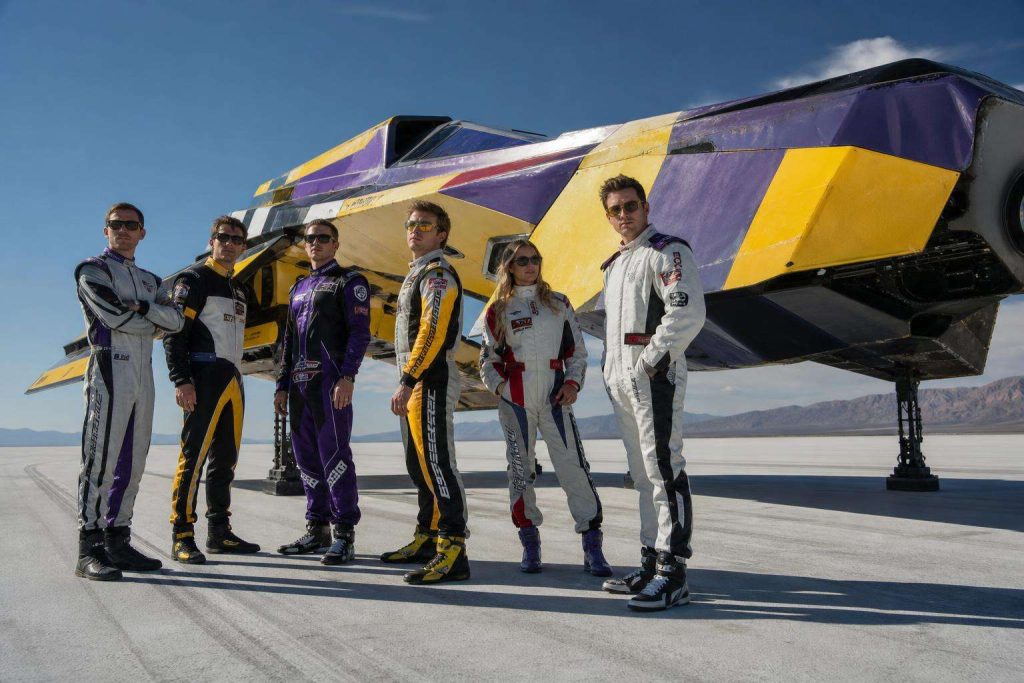
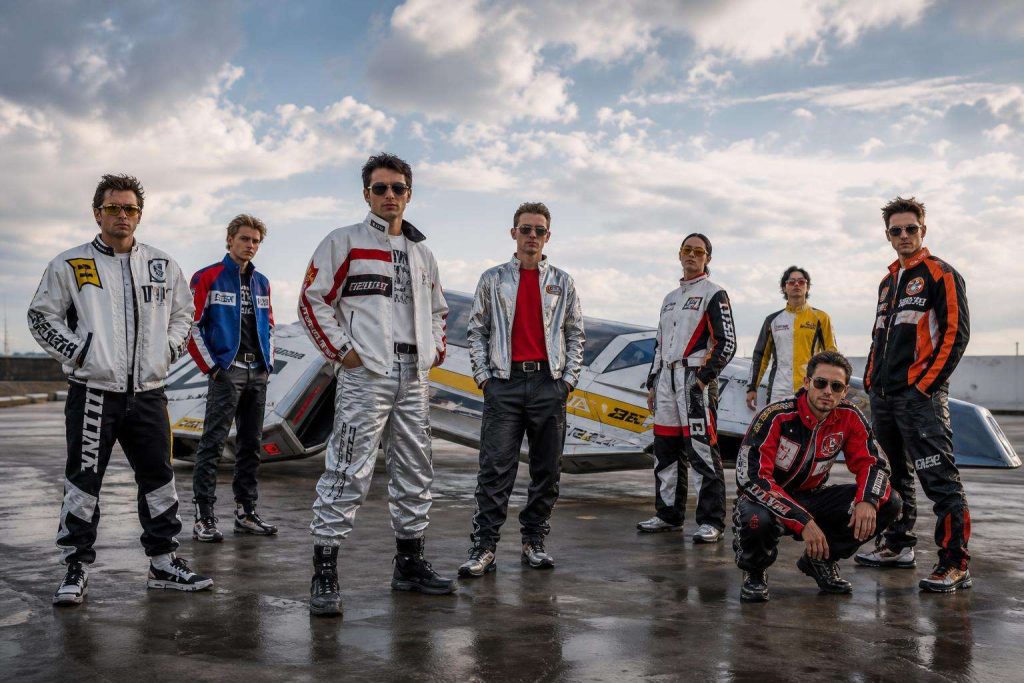
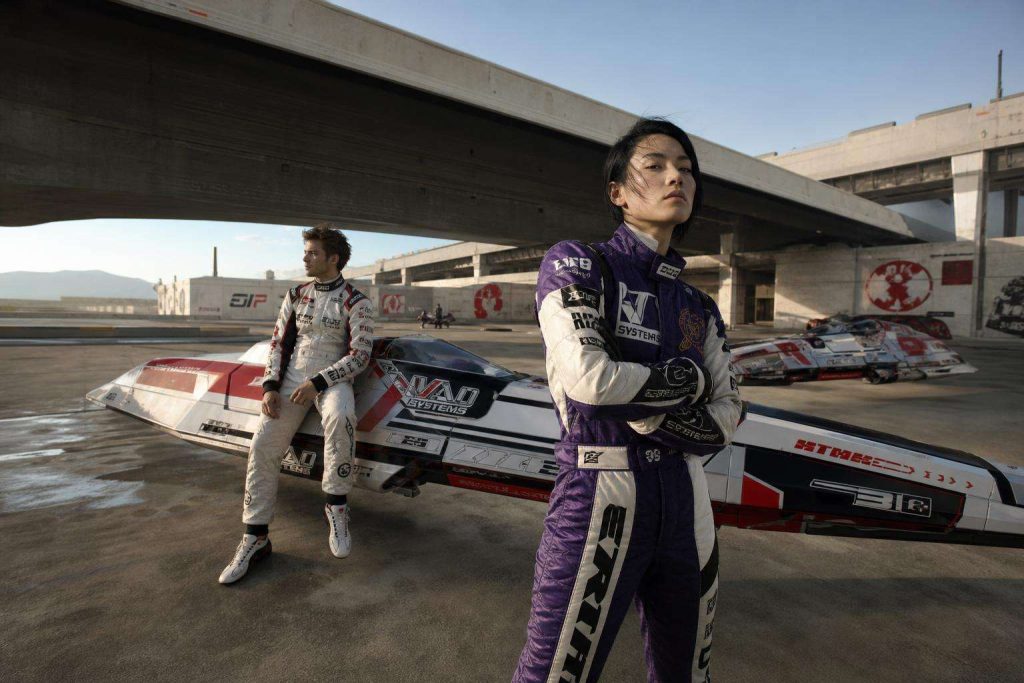
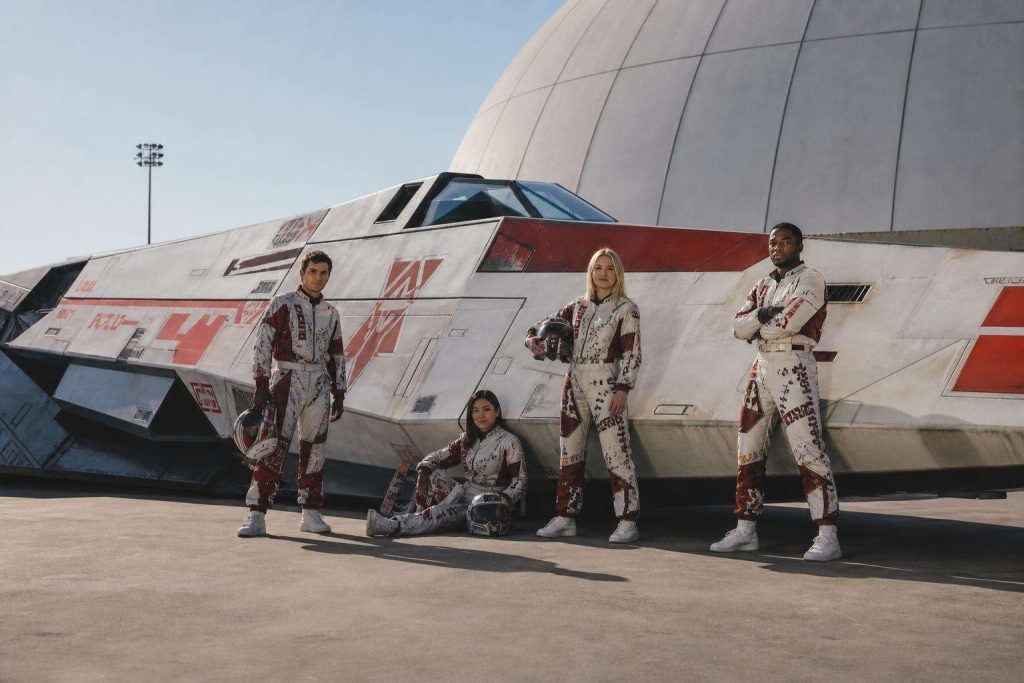
How WipEout Turned Packaging Into Part of the Brand Experience
In crowded markets, products rarely win on function alone. They win because people remember them, trust them, and feel something the moment they see them. That is the real power of brand experience. And one of the most overlooked ways to create it is packaging.
For WipEout, packaging was never just a container. It became a stage, a signal, and a silent salesperson. It helped shape perception before the product was even opened. That matters because consumers make astonishingly fast judgments about what they see. Research from Google’s “Zero Moment of Truth” work helped popularize the idea that buying decisions are influenced by micro-moments and fast impression-building before purchase even happens. Google’s ZMOT research remains a cornerstone reminder that attention is won early, and often visually.
So ask yourself this: if your packaging disappeared tomorrow, would anyone notice? Would they miss it? Would they remember it? Or would your product become just another commodity on a shelf, a marketplace listing, or an anonymous delivery box on a doorstep?
That is why the story of How WipEout Turned Packaging Into Part of the Brand Experience matters. It is not only about better design. It is about strategic thinking. It is about understanding buyer psychology, visual identity, and what makes people say, “This feels like a brand I want in my life.”
Packaging Is No Longer a Side Detail
For years, some companies treated packaging as a production decision, not a marketing one. That approach no longer holds up. Today, packaging sits at the intersection of branding, customer experience, retail performance, and social sharing.
The rise of the experience economy
Consumers are not only buying products. They are buying meaning, ease, excitement, and identity. This fits the broader idea of the experience economy, a concept detailed by B. Joseph Pine II and James H. Gilmore in Harvard Business Review and beyond, where businesses create memorable experiences rather than simply supply goods or services. Their thinking continues to shape how brands approach customer touchpoints. Harvard Business Review explored this in “Welcome to the Experience Economy”.
That means packaging needs to perform on multiple levels at once. It must catch the eye. It must communicate value. It must reassure. It must fit the brand. In many cases, it must also be photogenic enough to survive social media scrutiny.
Consumers judge quality by presentation
People infer quality from design cues all the time. Shape, finish, texture, color, weight, typography, and structure all influence perceived value. Academic and industry research has repeatedly shown that packaging design affects consumer perceptions and purchase decisions. A useful overview from Nielsen on the power of packaging reinforces that what shoppers see has measurable commercial impact.
WipEout appears to have understood a basic truth many brands ignore: a practical product does not have to look generic. In fact, when the category feels familiar or routine, design becomes even more important. Why? Because the ordinary is where distinctive brands are born.
“People don’t separate the product from the packaging. To them, it is one experience.”
— A truth every ambitious brand should build around
What Made WipEout’s Packaging Feel Like a Brand Experience
The difference between ordinary packaging and experience-led packaging is intention. WipEout’s packaging story points to a larger lesson: when every visual and tactile choice aligns with a brand idea, packaging becomes part of the brand’s voice.
Clarity over clutter
One of the biggest mistakes in packaging design is saying too much at once. Brands often overload labels, structures, and surfaces with claims, icons, styles, and messages. The result is confusion. WipEout’s approach suggests the opposite strategy: simplify, focus, and let the most important message breathe.
That kind of clarity signals confidence. It tells the customer, “We know what we are. We know what matters. You can trust this.” In visual branding, confidence is magnetic.
Category recognition with brand distinction
The smartest packaging does two things at once: it feels right for the category, yet unmistakable for the brand. If packaging is too familiar, it blends in. If it is too strange, it risks losing relevance or clarity. The sweet spot is familiar enough to understand instantly and distinctive enough to remember.
That balancing act is where many brands lose momentum. WipEout’s packaging demonstrates how to use brand positioning inside a practical format. It tells the shopper what kind of product this is while making sure they do not confuse it with anyone else’s.
Emotional cues in visual language
Color psychology is never the whole story, but it matters. Typography matters. White space matters. The physical finish matters. Every design choice sends cues. Is the product premium? Energetic? Clinical? Friendly? Sustainable? Smart? Bold?
When packaging aligns these emotional cues, it creates a consistent impression. That consistency becomes trust. According to 99designs’ overview of color psychology in marketing, color can shape perception and brand recognition in powerful ways when used strategically.
Why Packaging Matters More Than Ever in Modern Branding
The digital era was supposed to make packaging less important. Instead, it made it more important. Why? Because the moment of physical arrival now carries even more emotional weight.
Unboxing is now part of marketing
The rise of direct-to-consumer brands changed expectations. Customers do not just receive products anymore. They unbox experiences. Think of how often people post packaging, deliveries, and product reveals online. What once was private is now social content.
That means packaging does triple duty. It protects the product. It reinforces the brand. It encourages advocacy. If your customer is excited enough to share it, your packaging starts creating free visibility.
Shopify has explored how branded packaging can shape retention and customer experience in ecommerce. Their guidance underlines a now-familiar ecommerce truth: the box is no longer just a box. See Shopify’s perspective on product packaging.
Retail shelves are visual battlegrounds
In physical retail, the role of packaging is even more intense. Products compete within seconds. The eye scans quickly. Distinction matters. Recognition matters. Search interruption matters. The package that pauses the buyer often earns the sale opportunity.
That is where an intelligently built visual identity becomes commercial power. WipEout’s packaging story speaks to this idea beautifully: the package does not sit outside the brand strategy. It is the strategy, made visible.
The Strategic Lessons Brands Can Learn from WipEout
There is a deeper lesson here for founders, marketers, and business leaders. Packaging should not be the final design task after all big decisions are done. It should be part of the brand thinking from the start.
1. Start with the brand promise
Before shapes, materials, and finishes are chosen, one question must be answered: what should the customer feel? Not just what should they know, but what should they feel?
If the desired emotional response is confidence, the package should express confidence. If it is freshness, the package should feel fresh. If it is premium performance, every detail should reinforce premium performance. This is how packaging becomes brand experience instead of just branded wrapping.
2. Design for memory, not just aesthetics
Beautiful packaging is not automatically effective packaging. The real question is whether it is memorable. Memory comes from distinctiveness. Distinctiveness comes from owning recognizable assets such as color systems, structural choices, naming hierarchy, and visual rhythm.
The Ehrenberg-Bass Institute has long discussed the value of distinctive brand assets in helping brands stay easy to notice and easy to buy. Their work is highly influential in modern marketing effectiveness conversations. This overview on distinctive brand assets helps explain why visual consistency matters so much.
3. Use packaging to justify value
Price is rarely judged in isolation. People compare price to perceived value. Packaging is one of the fastest ways to elevate or erode that value. If a product looks cheap, rushed, generic, or confused, the customer feels the disconnect immediately.
By contrast, when packaging is sharp, intentional, and ownable, customers are more willing to believe in premium value. That is not manipulation. It is coherence. It is about ensuring the outside reflects the quality inside.
4. Build with consistency across touchpoints
Packaging should not look like one company if the website feels like another and social media sounds like a third. Everything must connect. A strong brand system links packaging, digital content, photography, messaging, and experience into one clear identity.
That is where expert brand thinking changes outcomes. It is not enough to create a nicer pack. You need a more intelligent brand system.
A Quick View: What Experience-Led Packaging Delivers
| Packaging Element | What It Communicates | Business Impact |
|---|---|---|
| Clear visual hierarchy | Confidence and ease | Faster recognition and improved conversion |
| Distinctive brand assets | Memorability and identity | Stronger recall and repeat purchase potential |
| Premium materials or finish | Higher perceived quality | Better value perception and pricing support |
| Consistent messaging | Trust and coherence | Reduced confusion and stronger brand loyalty |
| Shareable unboxing experience | Excitement and advocacy | Organic social exposure and word-of-mouth growth |
What Award-Winning Brands Understand That Others Miss
Brand strategy is not theory. It is commercial leverage. The brands people admire most understand that the smallest moments often carry the biggest signals. Packaging can say “cheap” or “considered.” It can say “ordinary” or “category leader.” It can say “we made a product” or “we built a brand.”
Every detail is a message
This is where fresh thinking changes outcomes. WipEout’s packaging story reminds us that details are not decorative extras. They are messages. The opening mechanism, the information architecture, the tactile feel, the restraint or boldness of the design, all of it shapes customer belief.
And belief matters. Because belief drives trial. Trial drives preference. Preference drives growth.
The best packaging reduces friction
Great packaging is not only attractive. It is useful. It makes decisions easier. It makes products easier to identify, understand, and trust. In this way, design is not fluff. It is friction reduction.
If a consumer hesitates because the packaging is unclear, the brand loses energy at the exact moment it needs momentum. WipEout shows what happens when packaging helps the customer move naturally toward a yes.
“When packaging feels right, the customer assumes the product will too.”
— Why design quality influences product trust
Why This Matters for Your Brand Right Now
Many businesses know they need better branding, but they underestimate how fast packaging can transform perception. If your packaging feels outdated, inconsistent, generic, or disconnected from your positioning, customers notice even if they never say it aloud.
And here is the harder question: how many sales are quietly being lost because your packaging is not doing enough? How many potential advocates never become loyal customers because the brand experience failed to begin strongly?
Brand growth often begins with one courageous decision
Sometimes growth does not begin with a new campaign. Sometimes it begins with a sharper identity. A stronger visual system. More intelligent packaging. A more ownable presence in the market. That is how brands stop blending in and start leading.
The most searched questions around packaging design, brand identity, and brand experience all point to one thing: businesses are looking for ways to be seen, chosen, and remembered. The answer is rarely more noise. It is more clarity, more distinction, and more strategic design.
What Is Possible When Packaging Becomes Experience
When packaging is treated as part of the brand experience, remarkable things can happen:
- Higher perceived value without needing to fight on price
- Stronger shelf stand-out in competitive environments
- Better customer recall after first purchase
- Greater social shareability in ecommerce and direct-to-consumer settings
- More coherent brand storytelling across every touchpoint
- Increased trust through better presentation and consistency
Now imagine your product with packaging that people instantly recognize, trust, and want to pick up. Imagine the confidence that creates in retail. Imagine the effect on unboxing. Imagine what it does to recommendations, repeat buying, and price resilience.
Why not get the solution?
Brandlab Can Help Turn Packaging Into Brand Power
If WipEout’s example proves anything, it is this: packaging can be one of the most powerful brand-building tools a business has. But only when it is approached strategically, creatively, and with total alignment to the brand’s bigger story.
Good design is not enough without strategic brand thinking
That is where Brandlab comes in. If your packaging is underperforming, if your brand identity lacks distinction, or if your product deserves a stronger market presence, this is the moment to act. A sharper brand experience can change how customers see you, how retailers respond to you, and how confidently you grow.
You do not need packaging that simply looks nicer. You need packaging that works harder. Packaging that communicates your positioning. Packaging that earns attention. Packaging that helps customers say yes faster.
If your packaging is not creating the experience your product deserves, now is the time to change that. Get in contact with Brandlab and explore what is possible when strategy, design, and brand experience work together.
Final Thought
How WipEout Turned Packaging Into Part of the Brand Experience is more than a brand story. It is a challenge to every business still treating packaging like an afterthought. In a world where perception moves quickly and customer attention is precious, packaging is not just presentation. It is persuasion. It is memory. It is experience.
So what is your packaging saying about you right now?
And if it is not saying enough, why wait?
Contact Brandlab and start building packaging that does more than contain a product. Build packaging that helps define the brand.
172562