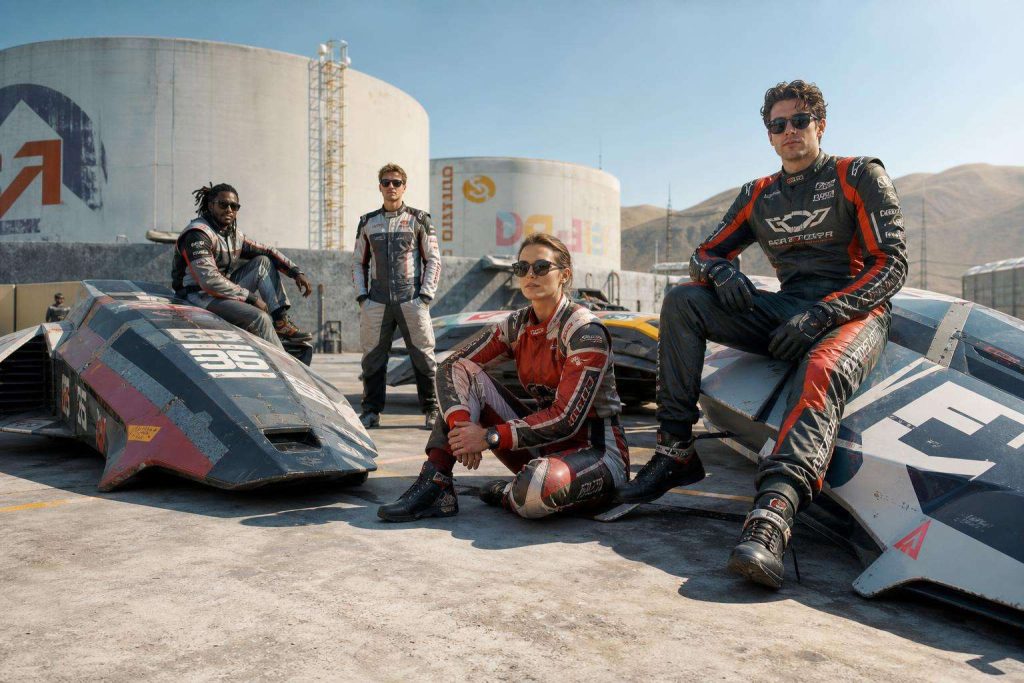
How PlayStation Used WipEout to Connect Gaming, Music and Culture
Some games sell consoles. Some franchises define generations. But only a rare few reshape the cultural atmosphere around an entire medium. WipEout did exactly that for PlayStation. It was never just a futuristic racing game. It was a statement of intent. It told the world that gaming could be stylish, intelligent, loud, design-led, and culturally fluent. It could belong in the same conversation as club music, graphic design, fashion, and youth identity.
That mattered in the mid-1990s. Video games were still fighting for mainstream respect. Then Sony arrived with a strategy that was different, sharper, and more culturally tuned-in than many of its rivals. PlayStation did not simply market hardware specs. It sold a mood. It sold aspiration. It sold belonging. And WipEout became one of its most powerful symbols.
If you want to understand how brands build emotional gravity, fan loyalty, and category-defining relevance, the story of WipEout is essential. This is not just a retrospective on a beloved title. It is a case study in brand strategy, cultural positioning, and how smart creative decisions can turn entertainment into identity.
Why WipEout Mattered More Than Most Games
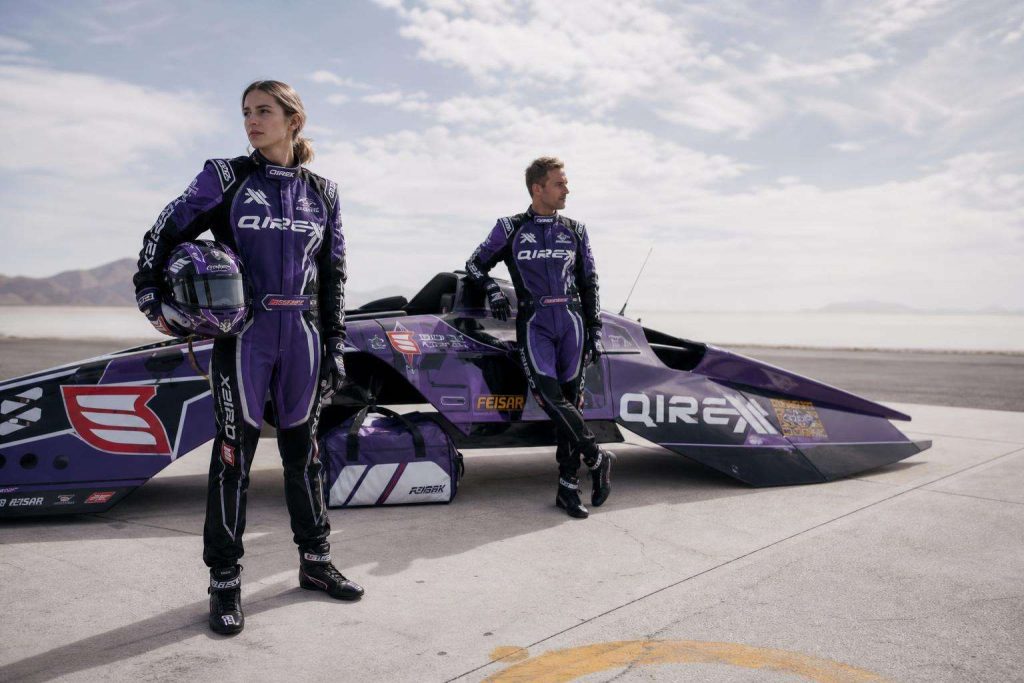
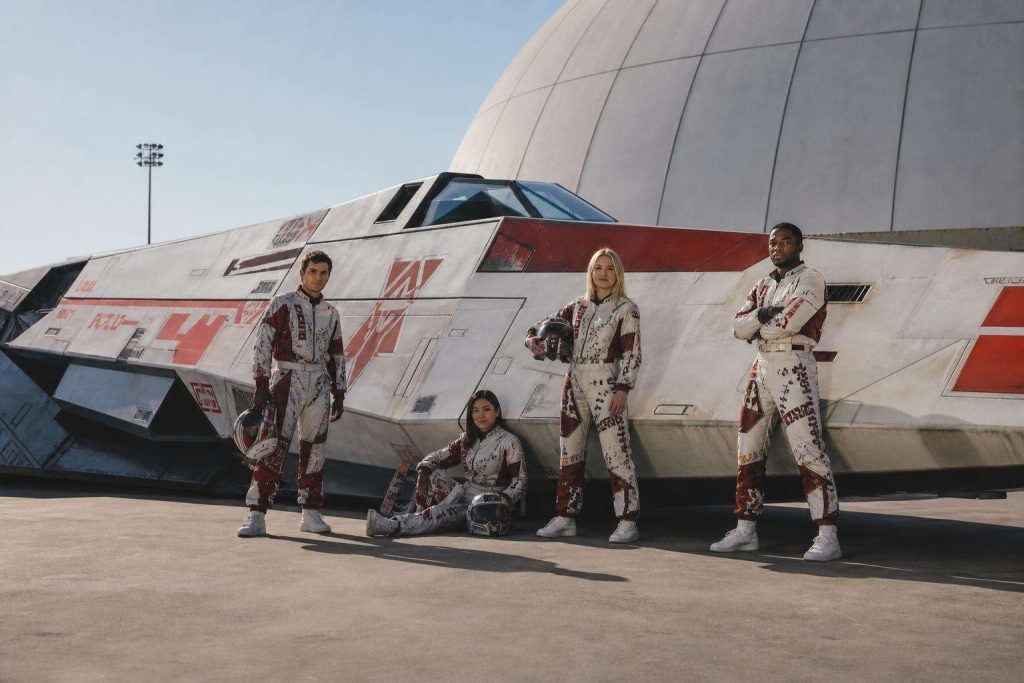
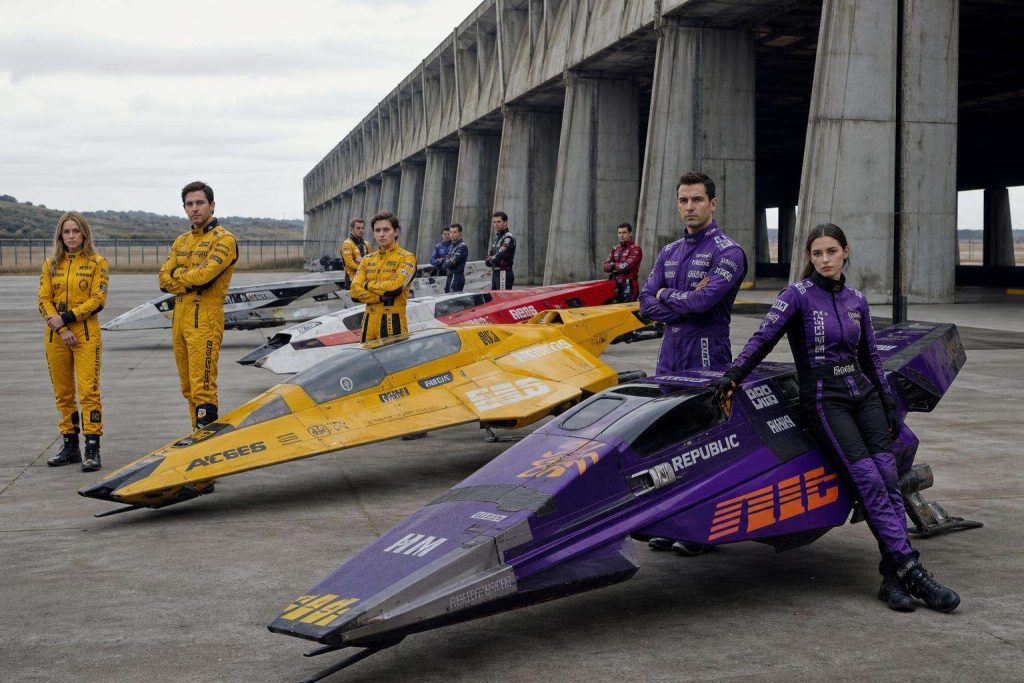
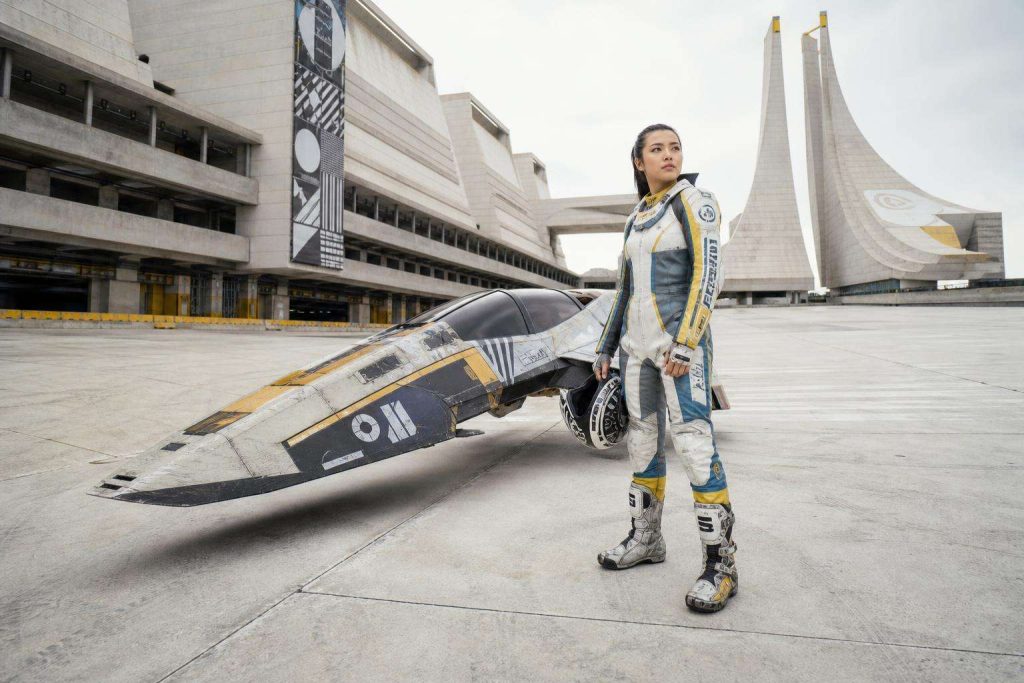
At first glance, the formula sounds simple: anti-gravity ships, impossible speed, futuristic tracks, and weapons. But simplicity in concept can hide brilliance in execution. What made WipEout exceptional was not only how it played. It was how it felt. It looked sophisticated. It sounded contemporary. It moved with the rhythm of the decade. It gave players the sensation that they were not just consuming a game but stepping into a cultural future.
Developed by Psygnosis and released in 1995, WipEout quickly became intertwined with the identity of the original PlayStation. Sony was working hard to attract an older audience than the toy-like image often attached to games at the time. The company’s marketing strategy intentionally reached club-goers, students, young professionals, and tastemakers. WipEout fit this approach perfectly.
A game that looked like culture, not just entertainment
Part of the magic came from visual design. The game’s branding, interfaces, team logos, and world-building all felt informed by contemporary graphic culture. The involvement of The Designers Republic, the influential Sheffield-based design studio, gave WipEout a visual language that was stark, modern, and unmistakably cool. Their work helped shape a graphic identity that felt closer to album packaging, experimental magazines, and club flyers than traditional game box art.
Evidence of this design legacy is documented by institutions and publications that have explored the game’s visual impact, including the Design Museum’s feature on how WipEout became a design icon.
The future arrived with a soundtrack
Music was not decorative in WipEout. It was foundational. The soundtrack featured artists connected to electronic music culture, helping the game feel in dialogue with real nightlife and club scenes. This wasn’t generic background audio. It was a signal. It told players that the game understood what was happening in the wider world. It shared its pulse with the dance floor.
That mattered enormously during an era when electronic music was reshaping youth culture across the UK and beyond. Sony and Psygnosis saw an opportunity: if games wanted to grow up, why not connect them with the energy, credibility, and momentum of the club scene?
For broader context on the crossover between WipEout, electronic music, and 1990s culture, this retrospective from Red Bull explores WipEout’s soundtrack and its links to club culture.
“WipEout was one of the first games that made the PlayStation feel like a lifestyle object rather than just a console.”
— A view echoed across design and games retrospectives discussing the title’s long-term cultural impact
How PlayStation Used WipEout as a Cultural Bridge
Brand-building works best when every signal points in the same direction. Product design, sound, advertising, partnerships, audience targeting, and press coverage must reinforce one another. PlayStation understood this. WipEout became a bridge because it sat naturally at the intersection of three powerful worlds:
- Gaming as immersive entertainment
- Music as social identity and taste-making
- Culture as the wider ecosystem of style, status, and self-expression
It made gaming aspirational
Before this period, much of games marketing was still framed around children or niche hobbyists. Sony’s genius was to shift the emotional frame. It sold gaming as something urban, contemporary, and desirable. WipEout looked like the future and sounded like nightlife. That meant owning a PlayStation was no longer only about gameplay. It became part of how people signalled taste.
It let Sony speak to non-traditional audiences
Great branding expands the category. WipEout appealed not only to existing gamers but also to people interested in design, sound systems, electronic music, and the aesthetics of modern culture. It broadened the invitation. This is one reason the original PlayStation became such a social object in shared spaces like student flats, bedrooms, living rooms, and parties.
It aligned with magazine culture and visual media
The 1990s media landscape mattered. Print magazines, posters, CD artwork, flyers, and television ads all shaped taste. WipEout travelled well through those channels because it was visually legible outside the game itself. That is a crucial branding lesson. If your product only works inside its own environment, it struggles to achieve cultural reach. If its design language can live on covers, walls, conversations, and editorial pages, it grows far beyond its core use case.
A useful source examining Sony’s broader original PlayStation strategy can be found in this Guardian retrospective on how Sony conquered the video game market.
The Power of Design: Why Aesthetic Intelligence Changes Markets
Too many brands still think design is surface. The story of WipEout proves the opposite. Design can be market-making. It can radically change who pays attention, what emotions they attach to a product, and whether the thing is seen as disposable or iconic.
The Designers Republic didn’t decorate the game, they elevated it
The visual world of WipEout carried cues from information systems, aviation graphics, club culture, Japanese-influenced futurism, and experimental editorial design. That combination made the game feel authored, deliberate, and premium. It looked like a brand universe rather than a random assemblage of sci-fi motifs.
In branding terms, that is gold. Why? Because consistency creates memory. Distinctiveness creates recall. And style creates conversation.
When form backs up feeling, audiences believe the promise
PlayStation was positioning itself as the future of entertainment. WipEout made that believable. The visuals did not merely say “future” in a generic sense. They made the future seem elegant, fast, and intellectual. That detail matters because consumers are incredibly sensitive to dissonance. If your message says premium but your design says average, people trust the design.
Music Marketing Before It Became Standard Practice
Today, brand and music partnerships are everywhere. In the 1990s, this kind of cultural fluency was far more distinctive. WipEout felt authentic because its soundtrack and atmosphere were not bolted on as a marketing gimmick. They were integrated into the game’s DNA.
The soundtrack was social proof
Featuring electronic acts gave the game credibility among audiences who cared deeply about taste. Music is tribal. It signals identity. If a brand uses the right sound with real understanding, it gains emotional legitimacy. If it gets it wrong, audiences know instantly. WipEout got it right.
The game captured the speed of its era
The 1990s were marked by acceleration: technology, media, nightlife, global cultural exchange, and changing youth identities. WipEout channelled that momentum. The music amplified the sensation of velocity and edge. It made players feel plugged into something current and bigger than the game itself.
Culture grows where categories overlap
This is the deeper strategic lesson. Growth often happens not in the centre of one category, but at the edges where categories meet. Gaming plus music. Technology plus design. Entertainment plus lifestyle. Brands that see those intersections early can define new territory while competitors are still thinking too narrowly.
A Simple Chart: Why WipEout Became a Brand Asset for PlayStation
| Brand Element | How WipEout Delivered | Impact on PlayStation |
|---|---|---|
| Visual Identity | Bold, modern, design-led aesthetic | Made PlayStation feel premium and culturally relevant |
| Soundtrack | Electronic music aligned with club culture | Connected gaming to contemporary youth identity |
| Audience Positioning | Appealed to older, style-conscious consumers | Expanded the console market beyond children |
| Media Fit | Worked across magazines, TV, posters, and word-of-mouth | Boosted visibility and status across culture |
| Emotional Positioning | Made players feel futuristic, connected, and in-the-know | Built affinity, memory, and long-term brand love |
What Modern Brands Can Learn From PlayStation and WipEout
There is a reason this story still resonates. It offers a blueprint for brands seeking relevance in crowded markets. The lesson is not “make a racing game” or “add dance music.” The lesson is to understand what your audience wants to feel part of, then build your brand where those feelings already live.
1. Don’t sell products, sell participation in a world
People do not just buy functionality. They buy meaning. WipEout invited players into a world of speed, future-facing design, and cultural sophistication. The strongest brands do the same. They create ecosystems of feeling and belonging.
2. Taste is a strategic asset
Too often, businesses treat taste as subjective and secondary. In reality, taste can be a competitive advantage. Better curation, better collaborations, better visuals, better sound, better language, better environments — these are strategic decisions. They influence who notices you, who trusts you, and who recommends you.
3. The right partnership can transform perception
By aligning with the energy of electronic music and forward-thinking design, PlayStation transformed the cultural meaning of a console. Ask yourself: what adjacent culture could elevate your brand? Fashion? Architecture? Sport? Film? Publishing? Hospitality? The answer may change your trajectory.
4. Relevance comes from understanding context
WipEout worked because it fit its moment. It captured a real energy already moving through society. The best brand work does not force culture. It recognises it, respects it, and contributes to it intelligently.
Are you building a brand people simply notice, or one they want to be associated with?
Are you selling a service, or opening a door to identity, taste, and possibility?
Why This Matters for Businesses Right Now
The market is full of competent brands. That is not enough. Competence rarely earns obsession. Competence rarely starts movements. Competence rarely wins attention in a fragmented world. What breaks through is a combination of clarity, distinctiveness, and cultural intelligence.
That is exactly why the PlayStation WipEout strategy still feels fresh. It did not rely on shouting louder. It created resonance. It made people feel they were early to something important.
Highly searched brand growth questions worth asking
How do brands become culturally relevant?
How do you connect brand strategy with audience identity?
What makes a brand iconic instead of interchangeable?
How can design and music strengthen brand perception?
Why do some campaigns change categories while others disappear?
These are not abstract questions. They are growth questions. They influence awareness, conversion, retention, advocacy, and pricing power. When your brand means more, it can charge more, travel further, and recruit loyalty more easily.
Focused Keyphrases and SEO Opportunities
For brands, marketers, and content strategists exploring this topic, the strongest focused keyphrases include:
- How PlayStation used WipEout
- WipEout gaming music culture
- PlayStation brand strategy 1990s
- WipEout soundtrack cultural impact
- gaming and music marketing
- brand strategy and youth culture
- design-led branding examples
- how brands become culturally relevant
These phrases reflect strong search intent around gaming culture, brand strategy, music marketing, and creative positioning. Used naturally in a well-structured article, they can support visibility while keeping the content useful and credible.
What’s Possible When a Brand Understands Culture
Imagine your brand escaping the trap of sameness. Imagine people not just recognising your name, but proudly associating with it. Imagine creating something so aligned, so emotionally intelligent, so visually persuasive, that it changes how your category is perceived.
That is what happened with WipEout and PlayStation. A game became a signal. A console became a cultural object. A marketing strategy became a long-term identity shift.
This is what is possible when branding is treated as more than logos and campaigns. It becomes world-building. It becomes experience design. It becomes cultural architecture.
Why Not Get the Solution?
If this story makes you think differently about your own business, that is a good sign. Maybe your brand has more potential than your market currently sees. Maybe your offer is strong, but your positioning is too ordinary. Maybe your visual identity does not yet express your ambition. Or maybe you know your audience should feel more than they currently do.
So why not get the solution?
Why keep blending in when your brand could lead? Why settle for being understood when you could be desired? Why keep communicating features when you could create belief?
Get in Contact with Brandlab
If you want your brand to connect with people the way PlayStation used WipEout to connect gaming, music, and culture, now is the moment to act. This kind of impact does not happen by accident. It comes from strategy, insight, design intelligence, and the courage to build something distinctive.
Brandlab can help you uncover the deeper story your brand should be telling — one that people do not just notice, but want to be part of.
What Brandlab can help you do
- Clarify your brand strategy
- Strengthen your positioning
- Create a more distinctive visual identity
- Connect your brand to the right cultural signals
- Build messaging that drives belief and response
The opportunity is there. The question is simple: do you want a brand that fills space, or one that shapes culture?
Get in contact with Brandlab and start building what is possible.
172550