Why AI Branding Is Becoming a Competitive Advantage in Singapore
Singapore has always moved faster than most markets when it comes to business transformation. Its compact geography, digitally connected population, strong regulatory environment, and international business culture create ideal conditions for companies that want to innovate quickly. Today, that innovation is moving beyond operations and into something even more visible: branding.
For years, branding was treated as a long-cycle discipline shaped by strategy workshops, market research, creative campaigns, and periodic refreshes. That model still matters, but it is no longer enough. In Singapore’s fast-moving economy, brands are now expected to be responsive, personalized, consistent across channels, and culturally aware at scale. This is exactly where AI branding is beginning to separate leaders from laggards.
AI is no longer just a back-office productivity tool. It is now influencing how brands listen, create, personalize, test, optimize, and engage. In Singapore, where consumers are digitally mature and businesses operate in one of Asia’s most competitive environments, the ability to use AI intelligently in branding is becoming a true strategic advantage.

The Shift From Static Branding to Intelligent Branding
Traditional branding was built around relatively fixed assets: a logo, tone of voice, positioning statement, campaign guidelines, and a set of approved creative templates. That framework worked well in an era where channels moved more slowly and customer expectations were easier to manage.
But modern consumers do not interact with a brand in only one or two places. They discover, compare, review, message, scroll, click, and purchase through a web of digital touchpoints. Every interaction affects perception. Every delay weakens momentum. Every inconsistency creates doubt.
This is why intelligent branding matters. AI allows organizations to transform brand management from a static asset system into a dynamic engagement engine. Instead of relying only on intuition and occasional campaign reviews, teams can use AI to observe sentiment shifts, identify audience patterns, personalize outreach, and optimize content performance in near real time.
Branding now lives inside the customer journey
Brand perception is no longer formed only through paid campaigns or polished design work. It is built through product recommendations, chatbot responses, website copy, CRM emails, review management, social listening, and service interactions. AI helps brands operate effectively across this broader reality.
In Singapore, where customer expectations are shaped by seamless experiences from banks, airlines, ecommerce platforms, insurers, and super apps, brands are judged on relevance and responsiveness as much as aesthetics. The companies that use AI to align those interactions are gaining a measurable edge.
Why Singapore Is Especially Well Positioned for AI Branding
Not every market will adopt AI branding at the same pace. Singapore is particularly primed for it for several reasons.
A digitally sophisticated customer base
Singaporean consumers are highly connected, mobile-first, platform-savvy, and accustomed to smooth online experiences. They compare brands quickly and expect fast access to information. This means businesses cannot rely on generic communications or outdated brand playbooks. AI helps them keep up with a consumer base that is digitally fluent and behaviorally diverse.
A business culture built on innovation
Singapore rewards efficiency, experimentation, and forward-thinking execution. From fintech to healthcare to retail and B2B services, many local and regional firms already use data and automation in operations. Applying these capabilities to branding is a natural next step.
A competitive regional gateway
Many companies use Singapore as a launchpad into Southeast Asia. That creates pressure to balance local relevance with regional consistency. AI can help interpret audience behavior by segment, support multilingual and multi-market content adaptation, and preserve strategic cohesion across campaigns.
How AI Branding Creates Competitive Advantage
To understand why AI branding matters, it helps to move past hype and focus on where competitive advantage is actually created.
1. Faster market sensing
Brands used to depend heavily on occasional surveys, campaign reports, and manually reviewed customer feedback. AI can now process large volumes of reviews, social comments, support interactions, and behavioral data to detect sentiment changes much earlier.
For Singapore-based organizations operating in crowded sectors, this matters enormously. If customers begin associating a brand with friction, poor service, declining trust, or irrelevance, that shift can happen quickly. AI gives teams earlier visibility into these patterns so they can respond before the damage compounds.
2. Greater personalization without losing scale
One of the great tensions in branding has always been the balance between consistency and personalization. AI improves that balance. Brands can maintain a clear strategic identity while tailoring content, offers, timing, and messaging to different customer groups.
That means a bank can communicate differently with affluent clients, young professionals, and first-time card users while still sounding unmistakably like the same institution. A retail brand can localize promotions based on behavior and preference signals. A B2B company can adapt thought leadership by sector or buying stage. This is where AI-powered branding becomes deeply commercial.
3. Smarter creative iteration
Creative teams often face pressure to produce more content across more channels in less time. AI does not replace strategic creativity; it enhances it. It can help generate variants, test headlines, identify content themes that resonate, and surface patterns from performance data.
The result is not generic branding when used well. The result is a more informed creative process. Teams can focus on ideas that matter while reducing time spent on repetitive adaptation.
4. Better consistency across touchpoints
Many businesses struggle with fragmented brand experience. Marketing says one thing. Sales says another. Customer support uses different messaging. Social channels vary wildly in tone. AI can help standardize language systems, enforce brand rules, flag inconsistencies, and support internal alignment across teams.
In a compact but highly competitive market like Singapore, where reputation travels quickly, consistency becomes a trust signal. Trust, in turn, becomes a commercial advantage.
5. More efficient decision-making
Brand decisions have often been slowed by subjective debate. AI introduces stronger evidence into the process. While judgment remains essential, leadership teams can now evaluate messaging and engagement strategies using richer data inputs, including predictive patterns and audience response signals.
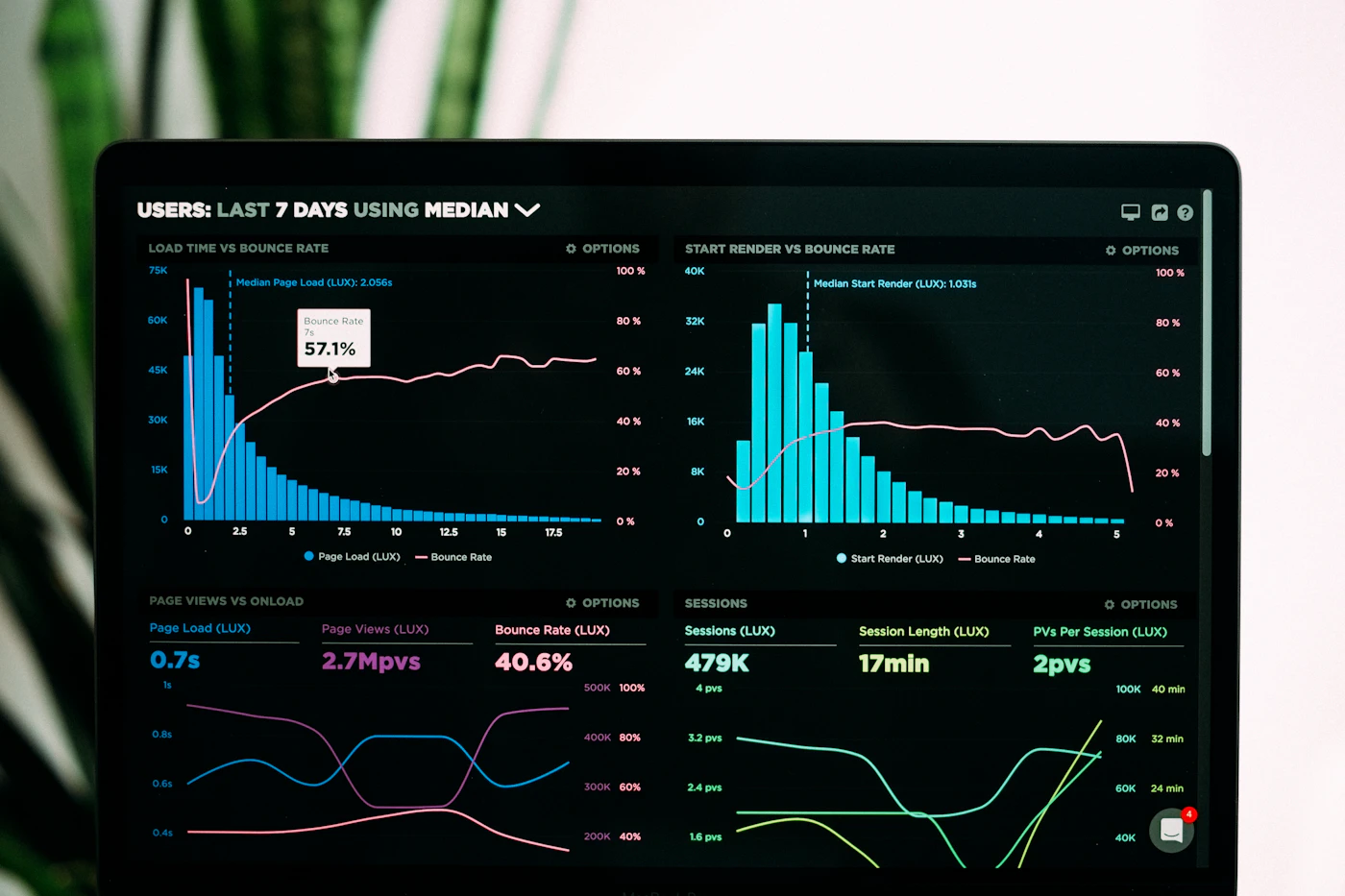
The Sentiment Dimension: Why It Matters More Than Ever
Branding is not just recognition. It is emotion, association, memory, and trust. This is why sentiment analysis has become such an important layer in AI branding.
Sentiment reveals what performance metrics often miss
A campaign may generate clicks and impressions, but those metrics do not tell the full story. Are people impressed? Skeptical? Confused? Amused? Annoyed? AI-driven sentiment analysis helps brands understand the emotional tone surrounding their communications and customer interactions.
In Singapore, where audiences are often highly discerning and less tolerant of vague claims, this is critical. A polished campaign can still underperform if its tone feels inauthentic. A product launch can attract attention but trigger concern if the messaging is unclear. Sentiment analysis helps brands avoid superficial success and focus on durable perception.
Reputation management becomes more proactive
When AI systems track sentiment across channels, businesses can identify issues before they become crises. It becomes easier to recognize when service dissatisfaction is spreading, when marketing language is being misunderstood, or when a competitor is reshaping category expectations.
This gives organizations the chance to adjust messaging, retrain service channels, redesign customer journeys, or clarify offers quickly. That responsiveness is itself a brand asset.
What Award-Winning Consumer Engagement Looks Like in the AI Era
Consumer engagement is changing from campaign-led communication to always-on relationship design. The strongest brands in Singapore are increasingly those that make customers feel understood in context, not just targeted at scale.
Engagement is becoming predictive
AI allows brands to use behavior and preference signals to anticipate needs before customers explicitly express them. This could mean surfacing relevant content at the right stage of decision-making, identifying churn risk before disengagement deepens, or adjusting brand messaging based on emerging audience priorities.
That shift from reactive communication to predictive engagement can significantly improve conversion, retention, and lifetime value.
Engagement is becoming conversational
Consumers increasingly experience brands through interfaces that feel interactive rather than one-directional. Chatbots, AI-assisted support, personalized onboarding, and recommendation engines all shape how the brand is perceived. The quality of those interactions affects trust just as much as campaign creative does.
In Singapore, where convenience and clarity are often highly valued, brands that use AI to improve conversational experiences can earn loyalty through usefulness, not just messaging.
Engagement is becoming continuous
The old model of peaks and troughs in engagement is fading. Brands now need persistent relevance. AI helps teams sustain that relevance with smarter content planning, better segmentation, and more adaptive communication systems.
Where Singapore Brands Can Apply AI Branding Right Now
For many organizations, the opportunity is not a massive transformation on day one. It is starting with practical, high-impact use cases.
Customer insight and social listening
AI can process reviews, comments, service transcripts, and community discussions to identify recurring themes, unmet needs, and emotional triggers. This supports clearer positioning and better content strategy.
Content intelligence
Brands can use AI to evaluate which narratives are resonating, where engagement drops, and which formats drive stronger response across segments. This helps make content strategy more disciplined and less guesswork-driven.
Brand voice governance
AI tools can help maintain a coherent brand voice across departments, channels, and agencies. This matters especially for growing businesses where inconsistency often appears as teams expand.
Personalized campaign orchestration
Whether through email, paid media, ecommerce experiences, or CRM journeys, AI can support more tailored engagement that improves response without sacrificing brand integrity.
Experience optimization
AI can identify friction points in digital journeys and suggest refinements to messaging, UX flow, and service interactions. Better experience strengthens brand perception in ways traditional brand work sometimes overlooks.
A Simple Comparison: Traditional Branding vs AI Branding
| Dimension | Traditional Branding | AI Branding |
|---|---|---|
| Research cadence | Periodic and manual | Continuous and data-rich |
| Personalization | Limited by team capacity | Scalable across segments |
| Optimization | Slow and campaign-based | Near real-time learning |
| Consistency control | Manual review process | System-assisted governance |
| Consumer engagement | Broadcast-heavy | Adaptive and interactive |
Focused Keyphrases
- Why AI Branding Is Becoming a Competitive Advantage in Singapore
- AI branding Singapore
- consumer engagement strategy Singapore
- AI-powered branding
- brand sentiment analysis
- digital brand strategy Singapore
Evidence and Research: Useful Third-Party Sources
For readers who want credible external context to support strategic decisions, these sources are valuable starting points:
- McKinsey – The State of AI
- Deloitte – Artificial Intelligence and Marketing
- Harvard Business Review – Artificial Intelligence
- IMDA Singapore – Digital transformation and innovation resources
What Leaders Often Get Wrong About AI Branding
The biggest mistake is assuming AI branding means replacing strategy with automation. It does not. The best outcomes come when AI strengthens strategic clarity rather than diluting it.
AI is not a shortcut to meaning
A weak brand strategy will not become strong just because content can be produced faster. If positioning is unclear, if customer understanding is shallow, or if value is not differentiated, AI will simply scale the confusion.
Human judgment still matters
Brands operate in cultural, social, and emotional contexts. AI can detect patterns, but it does not carry accountability, taste, or ethical responsibility in the same way leadership teams do. The strongest organizations pair machine intelligence with disciplined human stewardship.
The Brand Opportunity for Singapore Businesses
Singapore businesses are in a strong position to lead here, not just follow. The opportunity is especially powerful for organizations that want to sharpen their market presence while improving commercial performance. AI branding can help make brand strategy more measurable, more adaptive, and more tightly connected to growth.
That is a major shift. Branding has often struggled to defend its value in boardroom terms. AI changes that by making brand intelligence more visible and engagement more accountable.
“Brands that use AI well are not becoming less human. They are becoming more relevant, more responsive, and more capable of delivering trust at scale.”
Final Thought
Why AI Branding Is Becoming a Competitive Advantage in Singapore comes down to one essential truth: modern brand strength is no longer built only through polished identity and memorable campaigns. It is built through intelligent, continuous, customer-aware engagement.
In an environment as sophisticated and competitive as Singapore, brands that can sense faster, personalize better, maintain consistency, and understand sentiment more deeply will outperform those relying on legacy branding models alone. AI is not replacing the craft of branding. It is expanding its power.
For businesses ready to turn branding into a sharper growth lever, this is the moment to move from experimentation to strategic application.
Speak With Brandlab
If your organization is exploring how to strengthen brand strategy, improve consumer engagement, and apply AI branding in a commercially meaningful way, it is worth speaking with Brandlab. The right partner can help align brand thinking, customer insight, data, and execution so AI becomes a genuine competitive asset rather than just another tool.
Get in contact with Brandlab to explore how your brand can build stronger relevance, clearer differentiation, and smarter engagement in Singapore’s next era of growth.