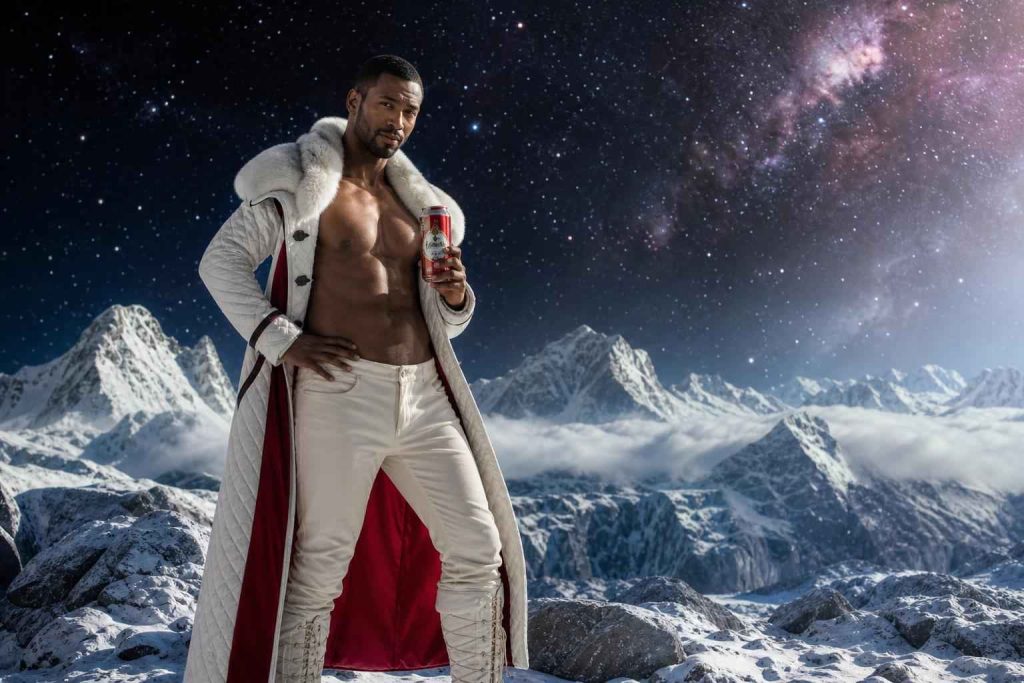
How Kia Turns Global Football Moments Into Automotive Brand Growth
Focused keyphrase: How Kia Turns Global Football Moments Into Automotive Brand Growth
Related high-search keywords: sports sponsorship marketing, automotive brand strategy, football sponsorship ROI, global brand growth, Kia marketing strategy, brand awareness campaigns, fan engagement marketing
When the world stops for football, attention becomes one of the most valuable currencies on earth. Stadiums fill. Screens light up. Social feeds explode. And the brands that understand how to move in those moments do more than merely advertise — they create emotional relevance at scale.
Kia is one of the clearest examples of this strategy in action. Through football partnerships, tournament visibility, player-led storytelling, fan experiences, and disciplined global brand positioning, the company has shown how a car brand can turn passion points into measurable commercial momentum.
This is not just about putting a logo beside a pitch. It is about building a brand that feels present in culture. It is about turning global football moments into trust, recognition, desirability, and ultimately growth.
Why football is such a powerful growth platform for automotive brands
Football is unmatched in its global reach. FIFA notes that the men’s FIFA World Cup Qatar 2022 reached an estimated 5 billion people globally. That kind of cultural scale gives brands a rare chance to show up in front of diverse audiences, across markets, languages, and demographics, all under one emotionally unified event.
For automotive brands, this matters because buying a car is rarely just practical. It is emotional. It reflects aspiration, family, identity, mobility, and progress. Football operates in the same emotional terrain. Fans are loyal. They feel belonging. They remember the moments that matter. Smart brands tap into that energy.
Football delivers both mass reach and emotional depth
Most media channels can offer reach. Far fewer can offer lived emotional intensity. A football final creates anticipation, tension, hope, and celebration in real time. If an automotive brand can connect with that experience authentically, it benefits from emotional association that standard ad placements rarely achieve.
Global moments create local relevance
One of the smartest qualities of football marketing is that it scales globally while still feeling local. A major tournament can be activated in London, Lagos, Seoul, Sydney, São Paulo, or Dubai with different creative executions but a consistent strategic core. That gives brands like Kia a structure for international consistency without losing local nuance.
Kia’s football strategy is bigger than visibility
Kia has built its presence in football over time through high-profile sponsorships and activation programmes. The company has been known for major partnerships in world football, including involvement with FIFA tournaments. Sponsorship listings and brand partnership records have documented Kia’s role in football ecosystems tied to elite international competition and fan-facing experiences. FIFA’s commercial partnership structures and tournament partner materials provide useful context on how elite tournament sponsorships function at a global level: FIFA commercial partners.
But what matters most is not the existence of the sponsorship. It is what Kia does with it.
Brand growth comes from activation, not entitlement alone
Too many brands assume a sponsorship agreement is the strategy. It is not. It is an access point. The real strategy lives in the activation: campaign creative, audience segmentation, digital storytelling, fan participation, PR coverage, retail integration, dealer engagement, and post-event brand recall systems.
Kia’s success in football-linked branding comes from connecting tournament moments to the broader brand experience. When executed well, every touchpoint reinforces the same themes: movement, confidence, innovation, accessibility, and global ambition.
Kia aligns brand values with football values
Football, at its best, represents teamwork, performance, resilience, national pride, and shared joy. These values are highly compatible with modern automotive storytelling. A car brand that wants to stand for progress, design, reliability, and emotional connection can find a natural stage in football if it avoids generic messaging and leans into meaning.
That is where many campaigns fail and where Kia has often shown stronger discipline. The value comes when the sponsorship feels integrated into a broader narrative rather than bolted on as a badge.
The real mechanics of football-driven automotive brand growth
What actually happens when a brand like Kia connects itself to global football moments? The answer is not magic. It is a layered growth model.
1. Awareness expands at extraordinary speed
Elite football tournaments create immediate global attention. Broadcast exposure, press coverage, social content, search behaviour, and in-person audience experiences all lift visibility. Nielsen has repeatedly shown the scale and value of sports sponsorship exposure across major sporting events, illustrating why brand visibility in premium sport remains commercially attractive: Nielsen sports and sponsorship insights.
For Kia, that means millions of consumers repeatedly encountering the brand in an environment charged with positivity and anticipation. Repetition in emotionally positive contexts improves brand memorability.
2. Consideration improves through association
Awareness alone does not sell cars. But it does influence the next stage: consideration. If buyers know the brand, recognise it, and associate it with confidence and contemporary culture, they are more likely to include it in their shortlist.
This matters especially in competitive automotive markets where differentiation can be difficult. Product features can converge. Price points can overlap. But a strong brand feeling can tilt decisions.
3. Dealer networks gain marketing momentum
One under-discussed advantage of major sponsorship is its effect on dealer confidence and local market energy. Global campaigns give local sales teams tools to activate conversations, create events, run promotions, and build footfall. That turns a multi-million-pound sponsorship from a distant awareness exercise into something tangible at market level.
4. Social engagement turns passive audiences into participants
Today, football marketing is no longer one-way. Fans do not just watch. They react, remix, predict, share, and celebrate. This allows brands like Kia to turn exposure into participation through match-day content, fan competitions, behind-the-scenes stories, ambassador-led content, and short-form digital campaign bursts.
According to data and trend analysis from organisations like Statista, football remains among the most followed and commercially powerful sports worldwide, making it fertile ground for digital interaction at scale: Statista football industry overview.
Why timing matters: football moments are growth accelerators
Not every brand campaign earns the same level of attention. Big football moments do. That makes timing one of the greatest advantages in sponsorship-led strategy.
Cultural peaks create unusual permission to engage
During major tournaments, people expect brands to participate. There is a heightened cultural openness. If the creative is strong, the audience is receptive. This is a rare media environment where brands can earn high attention without appearing intrusive — if they get the tone right.
Search intent rises during major events
Football moments can trigger increased search activity around sponsors, players, activations, contests, and branded experiences. Google’s search trend tools regularly demonstrate how major events spark spikes in public curiosity and online behaviour: Google Trends.
For a brand like Kia, those spikes are commercially significant. More searches can mean more website visits, more campaign interaction, more earned media, and more opportunities to move audiences deeper into the funnel.
What Kia gets right that other brands often miss
Many companies sponsor sport. Far fewer convert that sponsorship into lasting brand growth. Kia’s broader approach points to a few lessons that ambitious brands should study carefully.
Consistency beats campaign noise
One brilliant advert is not enough. A sponsorship has to live across years, channels, and audience touchpoints. Kia benefits from sustained brand association rather than isolated flashes of activity. Repeated presence builds familiarity, and familiarity can build trust.
Integration creates commercial value
The best sponsorship strategies are integrated into PR, digital, retail, social, experiential, and internal communications. A football partnership should not sit in a silo. It should influence how the brand sounds, looks, launches, and engages.
Emotion is treated as a business asset
This is one of the most important points. Football is emotional infrastructure. The brands that understand this go beyond visibility metrics. They ask: what memory are we entering? What feeling are we borrowing? What long-term preference are we shaping?
Kia’s football presence works when it understands that emotion is not ornamental. It is strategic.
A quick view: how football sponsorship translates into growth
| Football asset | Brand effect | Commercial outcome |
|---|---|---|
| Tournament sponsorship | Mass global visibility | Higher awareness and recall |
| Fan activations | Deeper engagement | Better first-party audience interaction |
| Social content around key matches | Real-time relevance | Increased reach and shareability |
| Ambassador storytelling | Humanised brand perception | Improved affinity and consideration |
| Dealer/local market tie-ins | On-the-ground relevance | Footfall, enquiries, and sales support |
The psychology behind the performance
Why does this work so well? Because people do not experience brands in spreadsheets. They experience them in context. Football creates contexts of belonging, anticipation, competition, and celebration. Those psychological cues matter.
Association builds implicit trust
When a brand consistently appears in premium, globally admired environments, it can absorb some of the event’s credibility and prestige. This effect is not automatic, but when managed well it can strengthen perceived stature.
Shared experiences improve memory structures
Marketing science repeatedly points to the importance of mental availability — how easily a brand comes to mind in buying situations. The Ehrenberg-Bass Institute has published widely cited work on these principles: Ehrenberg-Bass Institute. Shared cultural events help brands create memory structures because audiences tie the brand to emotionally intense moments.
Emotion reduces indifference
The hardest part of branding is often not dislike. It is indifference. Football helps overcome that by placing the brand near something people already care deeply about. That does not guarantee affection, but it increases the odds of meaningful attention.
“The smartest sponsorships do not interrupt culture. They enter it with relevance.”
That is the difference between visibility and value.
What is possible when brands think beyond sponsorship
Here is the exciting part. Kia’s example is not just a study in football sponsorship. It is a lesson in what becomes possible when a brand connects itself intelligently to major cultural energy.
From logo placement to brand world-building
A modern brand can build entire campaign ecosystems around football moments: video series, creator collaborations, regional storytelling, customer competitions, pop-up events, retail theatre, performance-led PR, live social content, and post-event remarketing.
From broad awareness to measurable demand pathways
With the right strategy, a brand can connect awareness activity to data capture, CRM, test-drive incentives, email flows, and dealer conversion journeys. In other words, football does not have to sit at the top of the funnel only. It can support movement all the way down.
From international scale to community relevance
Even global campaigns can become intimate when market teams localise them well. Communities want to feel seen. Fans want stories that reflect their own passion. The strongest brand strategies balance global prestige with local authenticity.
Where Brandlab comes in
This is where ambitious companies often hit a wall. They secure rights, approve creative, and deploy assets — but they do not build the connective strategy that turns cultural presence into commercial growth.
Brandlab helps brands move beyond sponsorship theatre and into meaningful growth systems. That means sharper positioning, stronger activation planning, better campaign architecture, more compelling storytelling, and clearer pathways from cultural moment to business result.
If your brand is already investing in visibility, why stop there?
Why settle for impressions when you could build preference? Why run event campaigns that fade when the final whistle blows? Why not create a brand platform that keeps working long after the tournament ends?
These are the questions growth-focused marketers should be asking now.
The brands that win are the ones that know how to matter
There is a reason football remains one of the most attractive environments in global marketing. It gathers attention. It creates feeling. It rewards brands that show up with relevance, consistency, and imagination.
How Kia Turns Global Football Moments Into Automotive Brand Growth is, in many ways, a story about modern branding itself. The brands that grow are not merely seen. They become part of the moments people remember.
That is the opportunity. Not more noise. More meaning.
So ask yourself: is your brand simply advertising, or is it building emotional market share? Is it showing up, or is it shaping memory? Is it buying visibility, or creating momentum?
And the bigger question: why not get the solution?
If you want a strategy that turns cultural relevance into measurable growth, get in contact with Brandlab. The next big moment is coming. The smart move is not to watch from the sidelines. It is to own your place in it.
Further evidence and useful reading
- FIFA: Global reach of the FIFA World Cup Qatar 2022
- FIFA commercial partners overview
- Nielsen insights on sponsorship, audiences, and media value
- Statista football industry data and trends
- Google Trends for event-driven search behaviour
- Ehrenberg-Bass Institute on brand growth and mental availability
Ready to turn attention into growth? Contact Brandlab and build a brand strategy designed for the moments the world is already watching.
166358