






How Brands Are Winning With Cinematic, Story-Driven Campaigns
The most memorable marketing today no longer behaves like an interruption. It moves like a film, unfolds with emotional precision, and earns attention by making audiences feel something first. Across luxury, technology, sport, beauty, and retail, brands are leaning into cinematic storytelling to create campaigns that travel further, live longer, and perform better on platforms led by video.
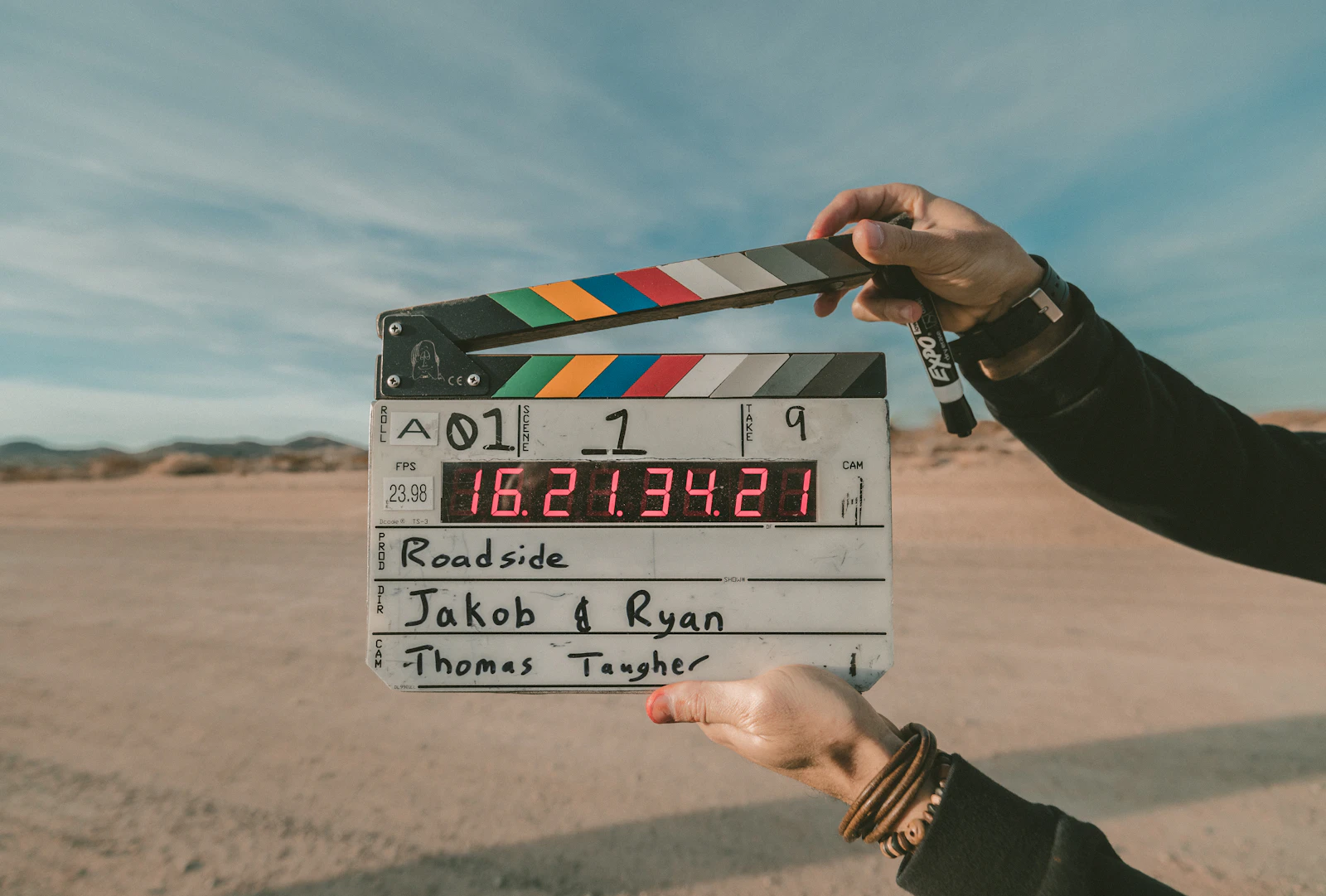
Why cinematic storytelling is outperforming conventional advertising
Traditional advertising is designed to deliver a message quickly. Cinematic campaigns are designed to deliver a meaning that lasts. That distinction matters in an attention economy where audiences skip, scroll, and ignore anything that feels disposable. A story-driven campaign slows the experience just enough to create narrative tension, emotional payoff, and memorability.
There is strong evidence that emotion is central to effectiveness. Research from the IPA Databank and work popularized by Peter Field and Les Binet has repeatedly shown that emotionally led campaigns drive stronger long-term business effects than purely rational ones. At the same time, Google’s own insights around YouTube and video effectiveness continue to show that creative quality, attention, and narrative structure shape brand lift outcomes. Useful reading can be found through Think with Google.
“People will forget what you said, people will forget what you did, but people will never forget how you made them feel.”
The shift from selling products to building worlds
Winning brands increasingly understand that audiences do not merely buy products; they buy into identities, atmospheres, values, and aspirations. The strongest cinematic campaigns therefore act less like direct-response











