The Future of Marketing Is Experience: Why Brands That Design Moments Win More Attention, Trust, and Growth
Modern marketing is no longer a contest of who can shout the loudest. It is a test of who can create something people actually want to engage with. The era of interruption-heavy advertising is fading, and in its place is a more powerful model: experience-led marketing. Brands that win today are not just buying impressions; they are building interactions that people remember, talk about, and return to.
Consumers are exposed to thousands of commercial messages every day, yet very few leave a lasting impression. What people remember are not slogans alone, but moments: a product demo that feels intuitive, a landing page that responds beautifully, a campaign that tells a story they want to be part of. In short, consumers remember moments, not messages.
That shift matters because attention is expensive, trust is fragile, and audience expectations are higher than ever. According to Think with Google, users form design impressions extremely quickly, and friction in digital journeys can sharply reduce conversion potential. Meanwhile, data from Nielsen and research from Harvard Business Review consistently reinforce a broader truth: emotion, usability, and trust have outsized effects on brand preference and customer action.
For businesses that want to compete at a higher level, the answer is not more noise. It is better design, stronger narrative, and more meaningful participation. The brands with momentum now are building design experiences, not just ads.
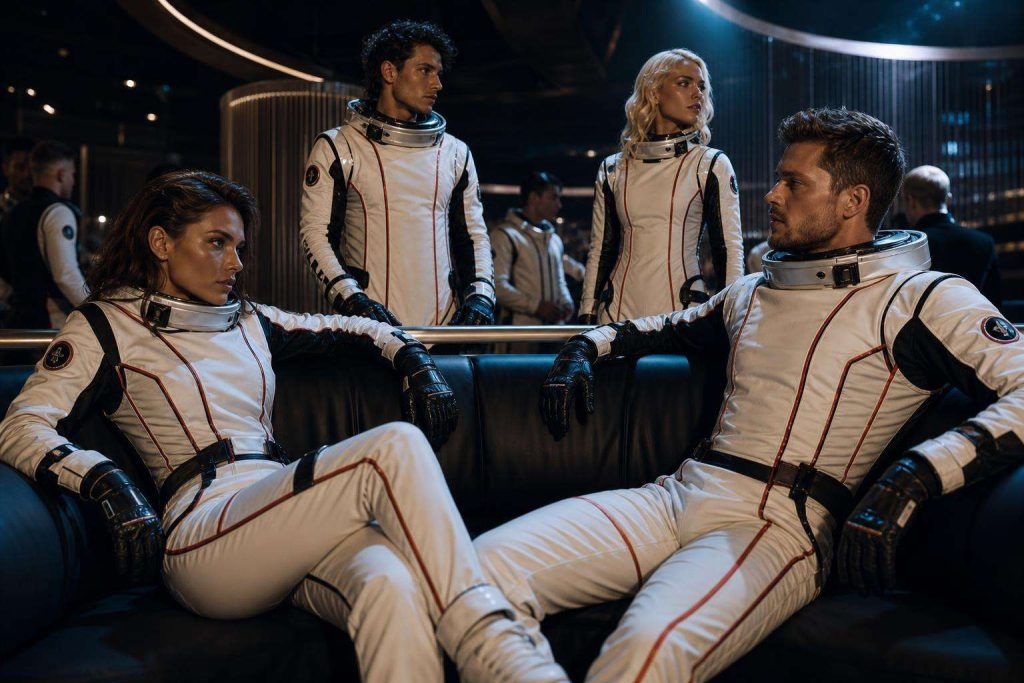
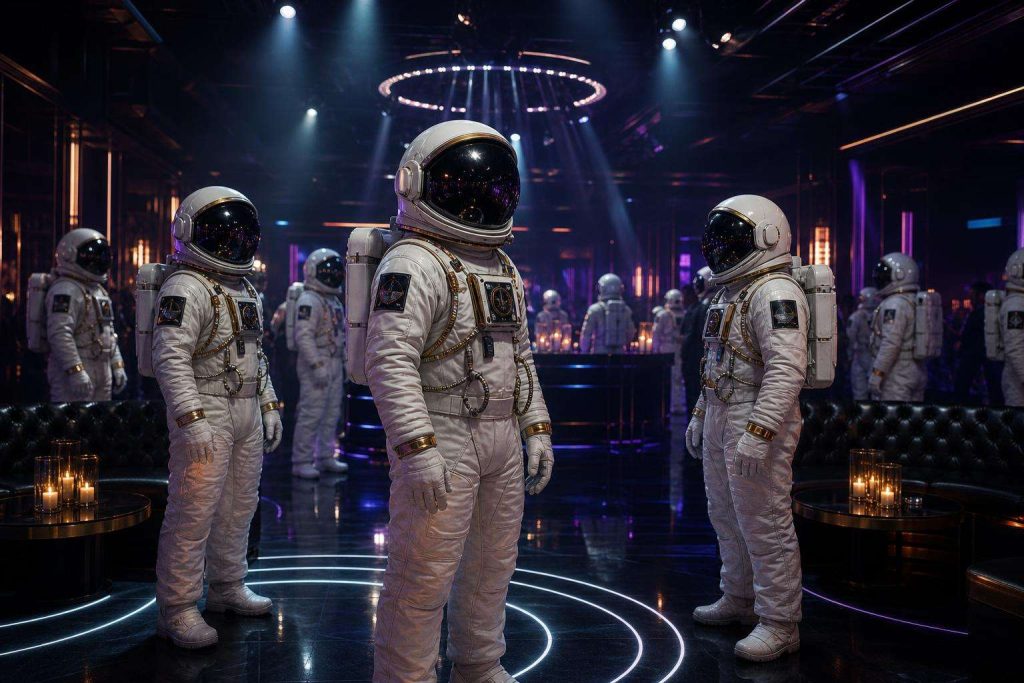
Image location: Hero image showing a user interacting with an immersive digital brand experience on mobile and desktop. Reference: inspired by research themes from Think with Google and Nielsen on user attention and digital engagement.

Why Traditional Ad-First Thinking Is Losing Power
Advertising still has a role. Paid media can amplify awareness, accelerate discovery, and support launches. But ad-first thinking becomes weak when it is disconnected from the actual brand experience. A campaign may earn a click, but if the destination is dull, confusing, or forgettable, the investment collapses under its own inefficiency.
The attention economy has become an experience economy
Users do not separate marketing from product, interface, or service. To them, it is all one brand. The ad is the promise. The landing page is the proof. The checkout flow is the test. The post-purchase journey is the memory. This is why businesses that still treat creative, UX, copywriting, media buying, and customer experience as isolated departments often underperform compared to brands that orchestrate them together.
Research from McKinsey shows that strong personalization and customer-centric interactions can materially improve revenue outcomes. But personalization without thoughtful design feels mechanical. The real advantage comes when data, storytelling, and interface all work together to make an interaction feel relevant and natural.
“The best marketing doesn’t feel like marketing. It feels like relevance, utility, and emotion arriving at the right time.”
Modern consumers ignore what feels generic
Generic promotions, stock visuals, and interchangeable messaging create a sameness problem. In crowded categories, sameness is dangerous because it turns every offer into a price comparison. When brands fail to create a distinct experience, they are forced to compete on discounts, urgency tactics, and repetitive remarketing. That may produce short-term spikes, but it weakens brand equity over time.
By contrast, memorable experiences build what many marketers struggle to buy directly: recall, preference, and organic sharing. If a brand only tells, it gets ignored. If it makes people feel, it gets shared.
Design Experiences, Not Just Ads
Every business should create at least one memorable interaction layer. This does not require a massive budget or cinematic production. It requires intention. It means asking: where can the audience participate, explore, react, or feel something beyond passive exposure?
Interactive landing pages
An interactive landing page can turn a static campaign destination into a living conversion environment. Instead of presenting all information at once, interactive pages invite exploration through layered content, calculators, visual toggles, guided product selectors, animated storytelling, and personalized pathways.
These experiences do more than look impressive. When designed well, they reduce cognitive load by revealing relevant information at the right moment. This aligns with long-standing usability principles documented by sources like the Nielsen Norman Group, which has repeatedly shown that clarity, relevance, and friction reduction are foundational to digital performance.
Immersive product demos
One of the most underused growth assets in digital marketing is the immersive product demo. Instead of merely describing benefits, smart brands allow users to experience them. SaaS companies can simulate workflows. Consumer brands can create visual try-ons or product configurators. Service businesses can walk prospects through outcomes, timelines, and transformations in an interactive sequence.
People trust what they can understand. And they understand more when they can interact rather than just read. Product demos increase confidence because they replace abstraction with evidence.
Story-driven campaigns
Story-driven campaigns work because humans interpret value through narrative. The strongest campaigns do not merely announce features; they create emotional architecture around why the product matters. This might be a founder story, a customer transformation, a mission-centered idea, or a campaign built around a cultural tension the audience recognizes immediately.
Evidence from the IPA and effectiveness analysis published through marketing industry studies has repeatedly suggested that emotionally resonant campaigns can drive stronger long-term business effects than purely rational, activation-focused messaging alone.
“A campaign becomes memorable the moment the audience stops consuming and starts participating.”
What the Data Suggests About Experience-Led Marketing
While creativity is often described as subjective, the performance case for experience quality is measurable. Better user journeys tend to improve engagement depth, conversion rates, repeat behavior, and customer satisfaction. Although outcomes vary by industry, a simple trend line often shows a clear relationship between experience investment and performance lift.
Illustrative performance trend
Below is a simple visual showing how improvements in digital experience quality often correlate with conversion performance over time in optimization programs. This is an illustrative chart, designed to show the pattern many organizations see as they improve usability, storytelling, and interactivity together.