How High-Growth U.S. Brands Are Turning Content Into Market Share
In a crowded digital economy, the brands growing fastest in the United States are not simply spending more on ads. They are building content engines that earn attention, shape category narratives, and steadily convert audience trust into market share. What used to be considered “brand publishing” has matured into a measurable growth system: one that influences search visibility, customer acquisition costs, retention, and even pricing power.
The shift is visible across software, retail, health, finance, consumer packaged goods, and direct-to-consumer brands. Companies that once treated content as a support function now use it as a primary strategic asset. They are turning educational articles, video, creator partnerships, research reports, customer stories, and owned media ecosystems into demand generation machines. The result is not merely more traffic. It is more durable growth.
According to the Content Marketing Institute, content marketing remains one of the most effective ways for organizations to build trust and generate long-term engagement. Meanwhile, research from HubSpot’s marketing reports continues to show that brands investing in SEO, thought leadership, and video consistently rank these channels among their strongest sources of qualified traffic and leads. This reflects a deeper truth: growth is increasingly won by those who can educate the market before competitors interrupt it.
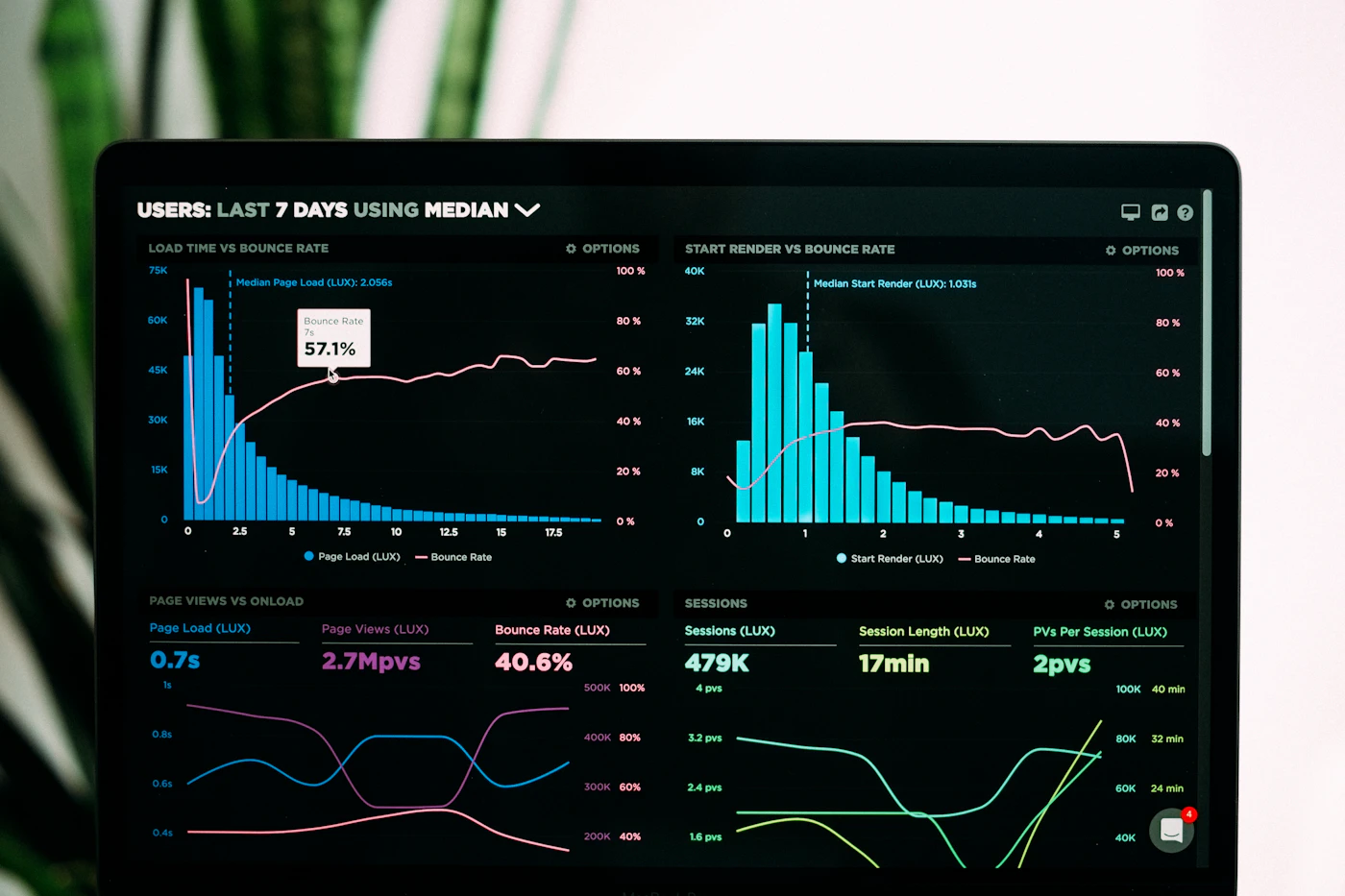
Image location: Hero image of a modern U.S. brand team reviewing content performance dashboards in a bright office. Reference: custom editorial illustration inspired by digital marketing analytics.
Why Content Has Become a Market Share Weapon
Attention Is Expensive, Trust Is Scarce
Paid media costs have risen across major channels over the last decade, and brands are under pressure to produce efficient growth. When every competitor can buy impressions, the edge often comes from owning a larger share of the conversation. Content marketing gives brands a way to capture search demand, build direct audience relationships, and create reusable assets that continue generating returns after publication.
This matters because market share does not only move when a customer clicks “buy.” It shifts earlier, when a buyer decides which brands feel credible, familiar, and relevant. A useful how-to guide, a category explainer, a data-backed report, or a compelling customer story can influence that decision long before a conversion event appears in analytics.
Owned Media Compounds While Paid Media Resets
One major reason high-growth brands prioritize content is that owned media compounds. A high-performing article can rank in search for months or years. A webinar can be repurposed into email sequences, social clips, sales enablement materials, and customer success resources. An original data study can generate earned media, backlinks, and executive speaking opportunities.
By contrast, paid campaigns often stop delivering the moment spending is paused. This is why growth-focused companies increasingly seek a balanced model: use paid media for speed, but use content for defensibility. Google’s SEO guidance consistently emphasizes creating helpful, reliable, people-first content, a principle that aligns almost perfectly with the way winning brands now approach organic visibility and authority building. See Google’s helpful content guidance for a closer look.
The Playbook High-Growth U.S. Brands Are Using
1. They Build Around Customer Questions, Not Brand Vanity
The most effective brands are obsessive about audience intent. Instead of publishing generic trend pieces, they identify the real questions customers ask at each stage of the journey: awareness, evaluation, purchase, onboarding, renewal, and advocacy. This creates practical content that earns search traffic and improves conversion quality.
For example, a fintech company may publish guides on budgeting, credit-building, and small-business cash flow. A wellness brand may produce detailed explainers on ingredients, routines, and benefits. A SaaS company may create comparison pages, workflow templates, and implementation resources. The format changes, but the logic stays the same: solve meaningful problems, and your audience begins to associate your brand with authority.
2. They Use Original Research to Create Category Gravity
Many high-growth brands are no longer relying only on opinion-based content. They are investing in surveys, benchmark reports, proprietary trend data, and customer sentiment analysis. Original research helps a brand stand out because it contributes something new to the conversation. It also attracts backlinks, media mentions, and citations from analysts and creators.
Data-led content has another advantage: it gives sales teams and public relations teams stronger stories to tell. In competitive markets, brands that publish useful original insights often become the default source journalists and partners quote. That visibility shapes category perception, and category perception influences eventual revenue.
3. They Treat SEO as Brand Infrastructure
Search engine optimization is often misunderstood as a technical afterthought. Growth brands understand it differently. They see SEO as infrastructure for discoverability. This means content is mapped to keyword demand, user intent, and conversion pathways, while technical SEO ensures pages are accessible, fast, structured, and indexable.
Semrush and Ahrefs industry studies repeatedly reinforce how top-ranking content tends to align with user intent, authority signals, quality backlinks, and topical depth. See research resources from Semrush and Ahrefs for ongoing evidence on how search visibility correlates with sustained organic growth.
4. They Repurpose Aggressively Across Channels
One hallmark of mature content teams is operational efficiency. Rather than creating one asset for one channel, they design content ecosystems. A flagship report becomes a webinar, short-form video clips, LinkedIn thought leadership posts, sales one-pagers, email nurture assets, and interactive web pages. This multiplies impact without multiplying effort at the same rate.
Repurposing also improves message consistency. Customers rarely encounter a brand in one place only. Seeing the same informed perspective reinforced across search, social, newsletters, podcasts, and press builds familiarity and trust.
How Content Translates Into Market Share
From Discovery to Preference
Market share gains happen when a brand becomes easier to find and easier to choose. Content drives discovery by increasing visibility in search, social sharing, and referral ecosystems. It then drives preference by answering objections, demonstrating expertise, and positioning the brand as the safest or smartest choice.
This is especially powerful in categories with long consideration cycles. Buyers often compare options across multiple visits and devices. In those moments, strong educational and proof-driven content closes the gap between interest and confidence.
Lower Customer Acquisition Costs Over Time
One of the strongest business cases for content is cost efficiency. While content requires upfront investment, it can reduce dependency on rising ad costs by attracting ongoing organic traffic and warming up buyers before they speak to sales or make a purchase. Research from McKinsey and Gartner has repeatedly highlighted how non-linear buyer journeys reward brands that show up with helpful information early and often.
As a result, content can improve conversion rates, shorten sales cycles, and raise the effectiveness of every downstream channel.
Retention, Expansion, and Advocacy
Not all content is for acquisition. Brands gaining share also create post-purchase content that improves onboarding, customer success, and retention. Tutorials, community stories, usage inspiration, and educational lifecycle campaigns help customers realize value faster. This leads to better reviews, stronger referrals, and increased expansion revenue.