BOQ — Bank of Queensland
Customer-first digital transformation, information architecture, responsive UX/UI and mobile experience concepts for Bank of Queensland.

Inside the project
01 / PROJECT OVERVIEW
A customer-first future for banking
Bank of Queensland is an established Australian banking brand serving customers across a complex landscape of financial products and digital interactions. BRANDLAB’s work examined how to make that experience clearer, more connected and more intuitive. The digital transformation direction brought together customer experience, strategic information architecture, responsive interface design and brand expression. Instead of treating the website and mobile experience as unrelated channels, the approach considered how people move between them and what information they need at every stage. The archived portfolio contains tangible desktop and mobile design concepts that illustrate this thinking.
02 / CHALLENGE
Simplifying the complex
Banking journeys frequently require people to interpret unfamiliar terminology, compare products, complete detailed forms and make important decisions. Clear navigation and consistent interactions are therefore essential, particularly when customers switch between desktop and mobile devices. The creative challenge was to make information easier to discover without losing the confidence and professionalism expected of a financial institution. BRANDLAB explored a visual hierarchy that helps users recognise priorities, understand next steps and find supporting information. The aim was to remove unnecessary friction while preserving clarity, trust, accessibility and a strong connection with the bank’s identity.
03 / STRATEGY
An integrated approach to digital transformation
BRANDLAB connected digital strategy to practical customer-experience decisions. Journey thinking helped organise the flow of content around customer goals rather than internal organisational structures. Information architecture established logical pathways through banking services and tasks. UX design considered the placement and sequence of interactions; UI design translated these choices into legible layouts, confident typography, appropriate spacing and repeatable patterns. Responsive design thinking addressed the different needs of mobile and desktop customers. The resulting creative direction offers a structured foundation for a digital ecosystem in which experiences can remain consistent across products and channels as the service evolves.
04 / DESIGN EXECUTION
Desktop and mobile design concepts
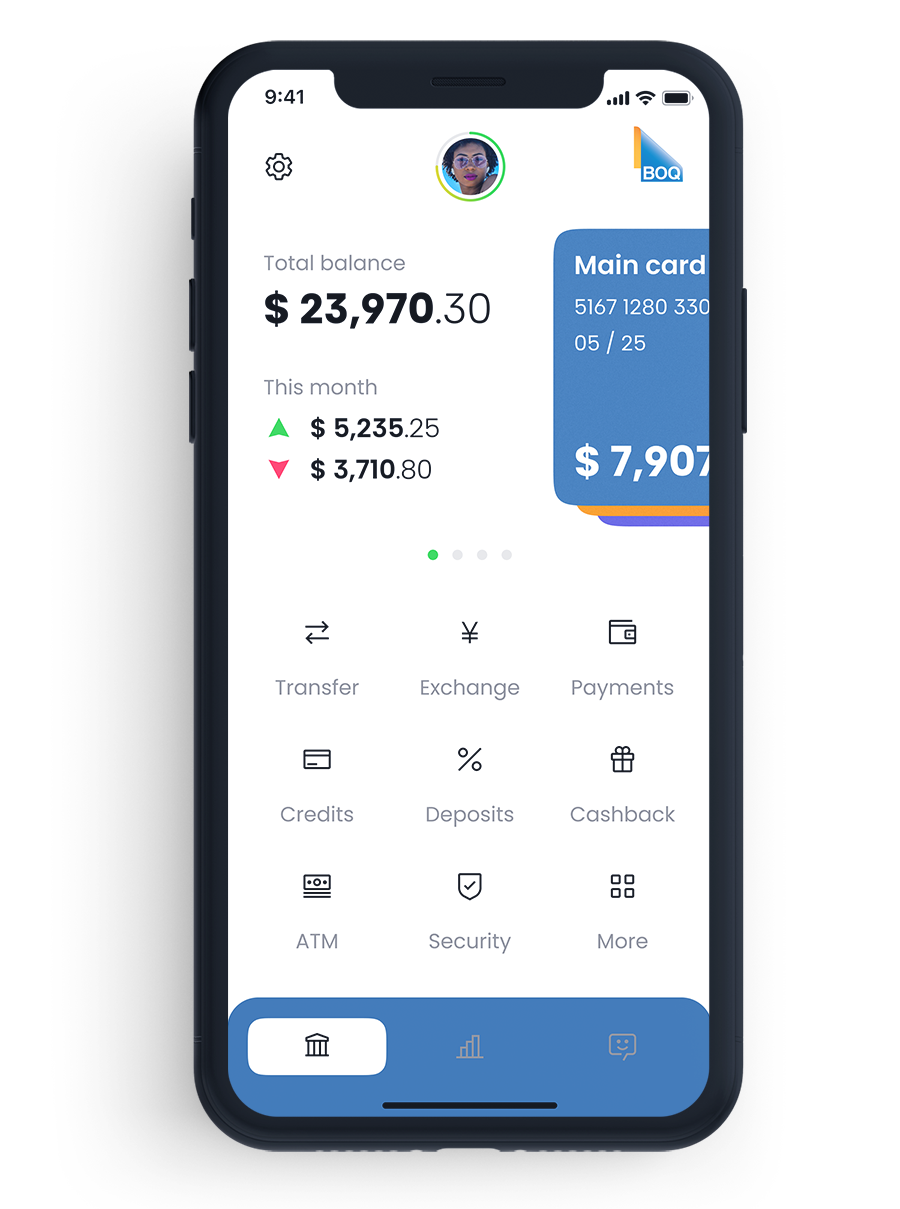
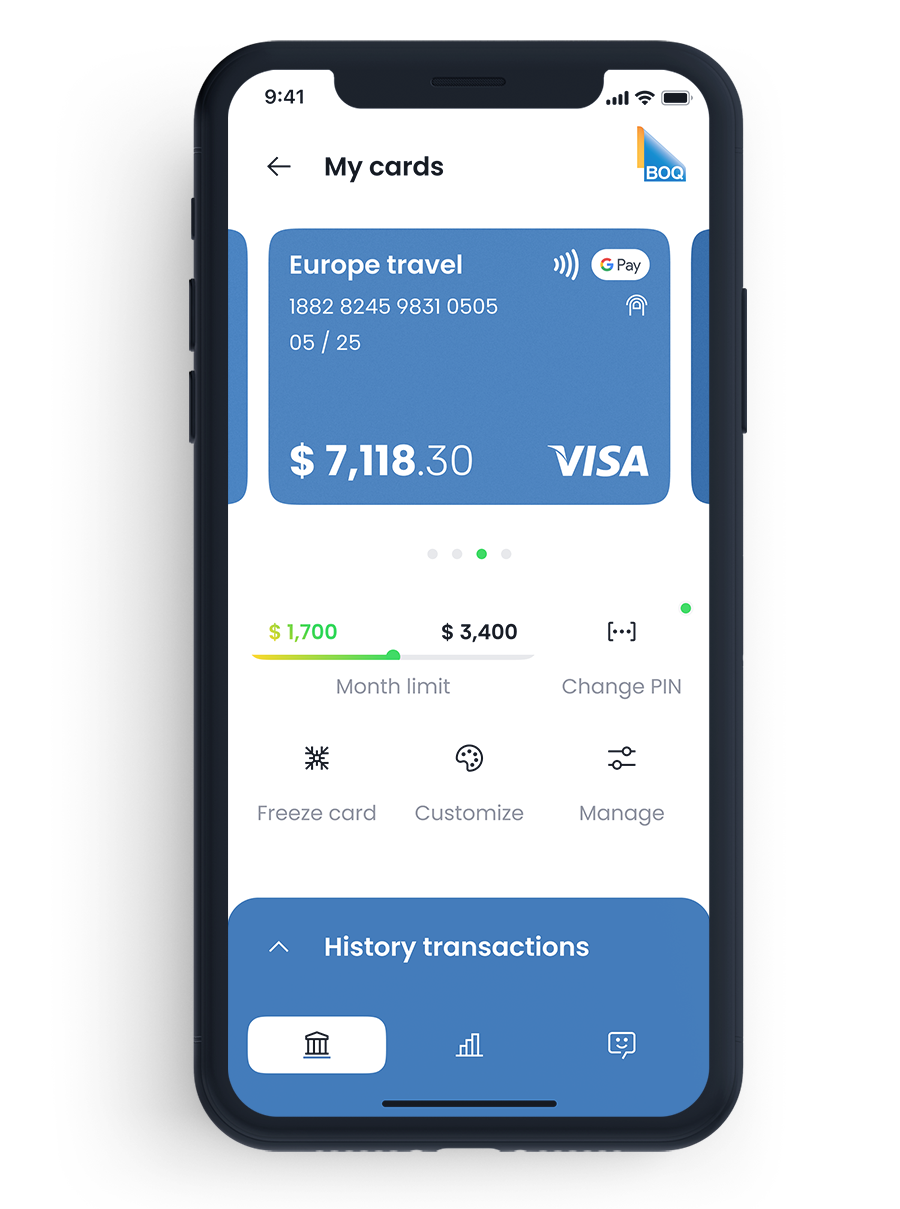
The original Bank of Queensland portfolio includes multiple UX/UI visuals and mobile screen compositions. These assets demonstrate the detail of BRANDLAB’s approach: not simply making attractive screens, but arranging content and interaction in a way that supports a clear customer journey. The visual work considers page composition, the relationship between information and actions, and how interface elements communicate hierarchy. Original project images are collected below in a consistent gallery, retained at their natural proportions where possible. This allows the design exploration to be assessed as a connected body of work rather than as isolated illustrations.
ORIGINAL PROJECT ARTWORK
Bank of Queensland design gallery.




05 / OUTCOME AND VALUE
A design foundation for ongoing improvement
The value of digital transformation comes from connecting business needs with experiences people can navigate and understand. BRANDLAB’s BOQ portfolio shows how strategy, customer experience and interface design can be brought together to establish that foundation. Consistent patterns help build familiarity, responsive layouts support different contexts, and clearer content pathways can reduce cognitive effort. These are the aims demonstrated by the design direction, not claims of proven conversion, revenue or operational improvements. Each interface is part of a larger system, providing a practical starting point for future user testing, refinement and implementation. The case study preserves the original creative evidence while articulating the thinking behind it: simplify complex interactions, put customer needs at the centre and give the banking brand a coherent digital expression.